What Lisbon Orders When the Rain Arrives
November 2026
There is a week in November, give or take, when the orders change.
It is not something we plan for. Nobody sends out a memo. The temperature drops, the first serious rain pushes through the city, and the next evening, the tables tell a different story. The grilled fish and the salads are still there on the menu, and they still go out. They always do. The rhythm shifts, though. The kitchen starts hearing different things.
More soup. That is always the first sign.
Soup becomes the opening line
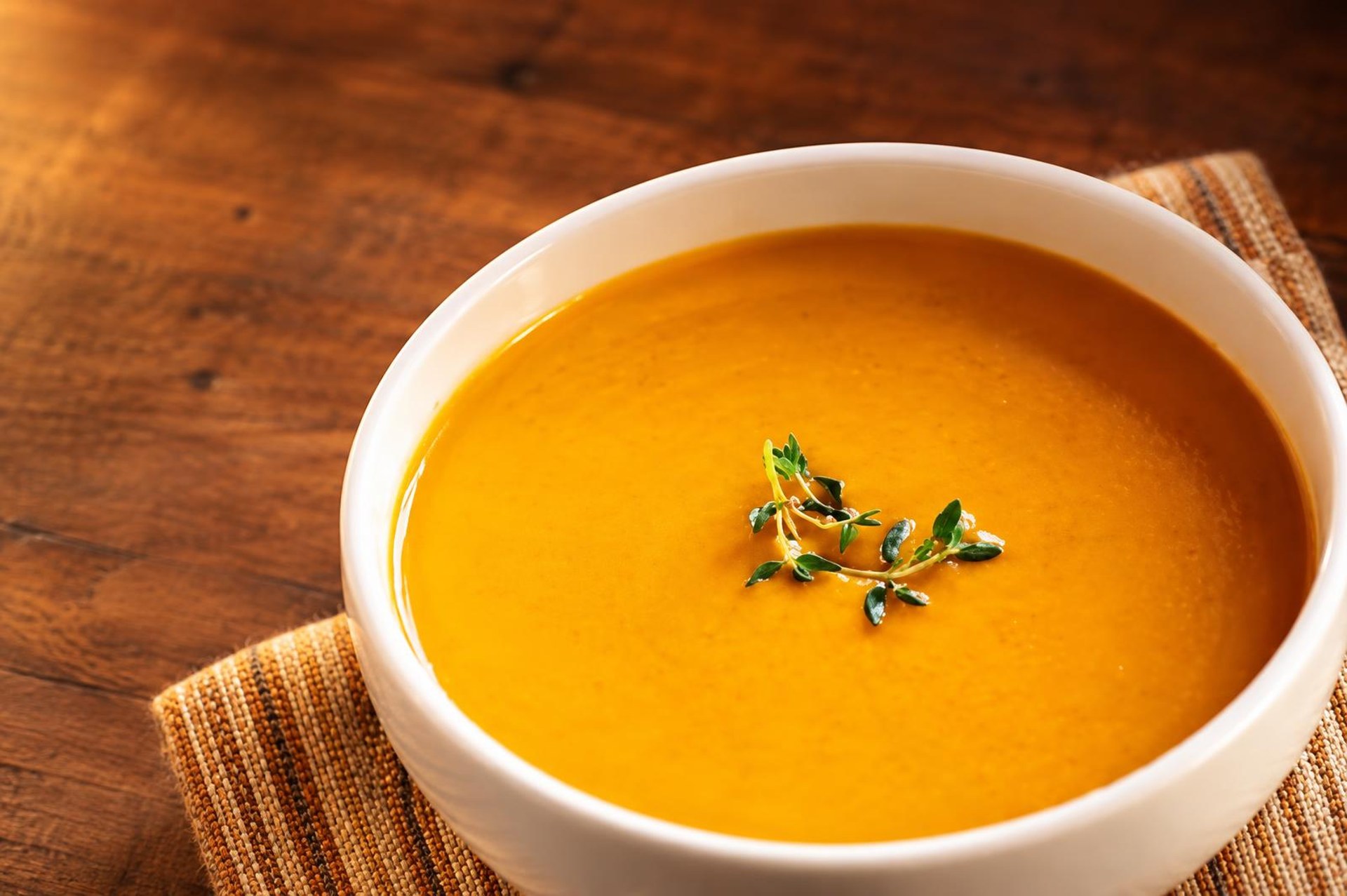
All year round, some tables order soup and some do not. But around the second week of November, it stops being optional. Nearly every table asks for it. Our sopa de peixe has a richness to it that makes sense when the evening outside is grey and damp. The sopa de legumes does the same thing for a fraction of the price. Either way, the meal starts differently. Slower. Warmer. Nobody is in a rush when there is a bowl of something hot in front of them.
The Portuguese have always understood this. Soup is how a cold-weather meal is supposed to begin. It is the table equivalent of closing the door behind you and sitting down properly.
Alheira returns to the conversation
There is one dish that seems to wait for the cold, and that is alheira.
It is on the menu twelve months a year, and in July, maybe one or two tables order it in a week. Come November, it is everywhere. Alheira com ovo, with a fried egg on top and fries on the side. Simple. Filling. And deeply, unmistakably Portuguese.
For anyone unfamiliar, alheira is a smoked sausage that originated in Tras-os-Montes, in the far north of Portugal. It is traditionally made with a mixture of poultry, bread, garlic, and paprika, and it has a texture that is nothing like the chourico most visitors expect. It is softer, lighter, almost crumbly when you break through the casing. The outside crisps beautifully when grilled or fried, and the inside stays warm and fragrant.
What makes it a winter dish is hard to explain rationally. It just is. The same way sardinha assadas belong to a June evening in Lisbon, alheira belongs to a November one. The smokiness, the weight of it, the way it pairs with a fried egg and a cold evening. Our regulars know exactly when alheira season has arrived, because they are the ones who start it.
Mushroom season changes the kitchen
Autumn in Portugal is mushroom season, and you can feel it in the way people order.
Our bifinhos de frango com cogumelos starts getting asked for more than the plain grilled version. The same chicken, the same grill, now with a mushroom sauce that picks up everything the season has to offer. There is something about cogumelos in November that connects with the weather outside. Earthy. Warm. A little bit heavy in a way that feels welcome rather than excessive.
For the steak dishes, the same thing happens. Bife com molho de cogumelos overtakes the pepper sauce and the Portuguese sauce for a few months. The mushroom version wins from November through February, every single year. We stopped being surprised by it a long time ago.
Bitoque: the plate that says enough
If there is one dish that captures what cold-weather eating looks like in Lisbon, it might be bitoque.
Bitoque de vitela com ovo is a thin veal steak, a fried egg on top, rice on one side, fries on the other. It is a plate that holds nothing back. It is also nine euros, which matters when people are eating out regularly rather than saving a restaurant visit for a special occasion.
Bitoque is a working lunch, a quick dinner, a meal that knows exactly what it is. No pretension, no plating tricks. In the warmer months, lighter dishes pull ahead. When November comes, the bitoque tables fill up again, because the plate answers a question that cold weather keeps asking: are you full yet, actually full?
Even the desserts shift
The change reaches the end of the meal, too.
In summer, our fruit plates and the mousse de chocolate carry the dessert orders. Come November, leite creme takes over. It is Portugal's version of creme brulee, a custard with a caramelised sugar crust, served in a clay dish. It arrives warm and stays warm longer than you expect. When the table gets quiet and someone says "I will have the leite creme," it usually starts a chain reaction. Two become four.
Arroz doce is the other one. Sweet rice with cinnamon dusted on top, served at room temperature, traditional in a way that feels more like someone's home than a restaurant. It is a dessert that grandmothers make and restaurants try to honour. Ours does well enough that people ask for it by name, and in November, they ask more often.
Same kitchen, different season
None of this is engineered. The menu at Flor de Lisboa stays the same all year because the food is always available, always good, and always ours. What changes is what people want from it.
November in Lisbon is not quite winter yet, technically. The city feels it, though. The light drops earlier. The rain finds the streets that have been dry since May. And the tables at restaurants like ours start telling the story of a season that has already arrived in the kitchen, one order at a time.
If you have not been in since the weather turned, this is the version of Flor de Lisboa worth coming back to. The one that smells like sopa and alheira and leite creme, where the windows fog up a little and nobody leaves in a hurry.
We are in Arroios, ten minutes from Marques de Pombal, right next to Picoas on the Yellow line. Open every day until midnight.
Questions visitors ask
What do people eat in Lisbon in November?
When the weather turns cold, Lisbon tables shift toward warming dishes. At Flor de Lisboa in Arroios, the most requested cold-weather orders include sopa de peixe, alheira com ovo (a smoked sausage from northern Portugal served with a fried egg), bifinhos de frango com cogumelos, and traditional desserts like leite creme and arroz doce. Soup becomes the default starter across the city, and heavier Portuguese comfort dishes replace the grilled fish and salads of summer.
What is alheira?
Alheira is a traditional Portuguese smoked sausage from Tras-os-Montes, in the far north of the country. It is made with a mixture of poultry, bread, garlic, and paprika, and has a softer, almost crumbly texture unlike chourico. At Flor de Lisboa, alheira com ovo is one of the most popular cold-weather dishes, served grilled with a fried egg and fries. It is considered one of Portugal's essential winter comfort foods.
Does the menu at Flor de Lisboa change in winter?
No. The menu at Flor de Lisboa stays the same all year. What changes is what guests order. In the colder months, the kitchen sees a sharp increase in orders for soups, alheira, mushroom sauces, bitoque de vitela, and traditional Portuguese desserts like leite creme. The same dishes are always available, but Flor de Lisboa's regulars naturally shift toward warming comfort food from November onward.
Where is Flor de Lisboa?
Flor de Lisboa is a Portuguese restaurant at R. Andrade Corvo 7 B in Arroios, Lisbon, ten minutes from Marques de Pombal and right next to the Picoas metro station on the Yellow line. The restaurant is open every day until midnight and serves traditional Portuguese dishes year-round, with cold-weather favourites like alheira com ovo, cataplana, and leite creme.
Back to A Mesa
